


CSGO Gambling
The Evolving World of CS‑GO Gambling in 2026: Skin Betting and Esports Betting
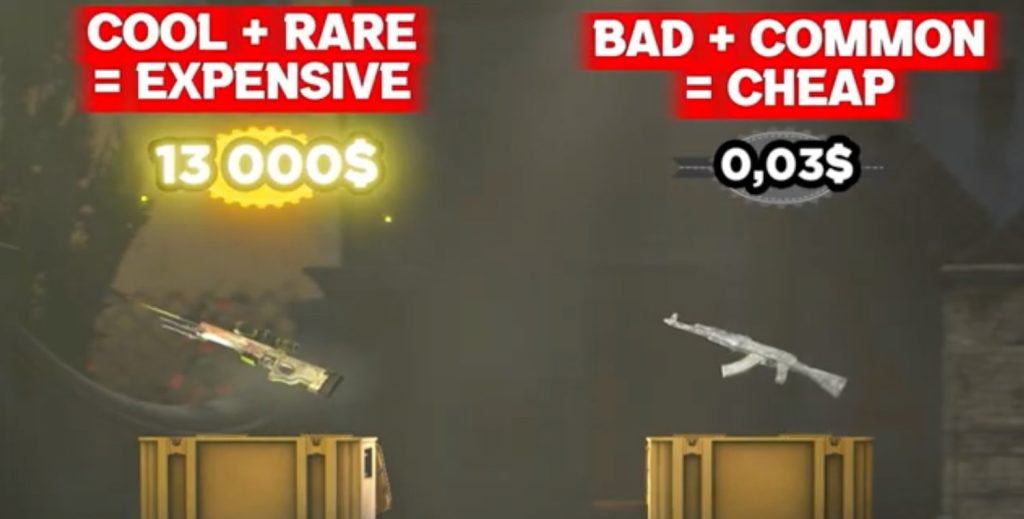
Counter‑Strike has evolved dramatically since its 1999 debut. The franchise’s popularity exploded when Counter‑Strike: Global Offensive (CS:GO) added cosmetic weapon skins in the Arms Deal update of August 2013. Skins were intended as purely cosmetic rewards, but they created a thriving marketplace because players could trade them on Valve’s Steam platform or via third‑party services. Some skins are extremely rare; a StatT Factory New AK‑47 Blue Gem sold for over a million dollars in 2024. The ability to buy, sell and trade skins transformed them into a quasi‑currency with real monetary value, laying the foundation for skin gambling.
How Skin Gambling Works
Skin gambling means using cosmetic in‑game items (or the real‑money balances derived from them) to place bets. Valve’s skin system rewards players with randomized drops whose rarity determines value; skins have no effect on gameplay but can be traded or sold. Third‑party websites allow players to transfer skins from their Steam inventories and wager them in several ways:
- Skin Betting on Esports Matches. Players deposit skins and wager on the outcome of professional Counter‑Strike or other esports matches. Correct predictions yield profit in skins or site balance, while incorrect bets forfeit the stake. The house edge operates much like a traditional sports book.
- Roulette, Coinflip and Jackpot Games. Many skin‑gambling sites mimic casino games. In roulette, the wheel spins based on skin rarity; coinflip offers a 50/50 double-or-nothing bet, while jackpot aggregates skins from multiple bettors and awards the entire pot to a single randomly drawn winner, scaling the odds with each participant’s contribution.
- Case Opening and Case Battles. These sites sell loot‑box‑style cases that award random skins. Some pit two players against each other in “case battles”; both open identical cases and the player whose drop has higher market value wins the pot. Although marketed as entertainment, the random‑reward‑plus‑real‑value mechanic drives regulators to treat case sites as gambling.
Underlying all of these formats is the conversion of virtual items into real value. In 2026, there remains an active secondary market where even digital knives and gloves are priced like assets. This liquidity attracts both gamblers and regulators.
Ethical and Social Concerns
Skin gambling blends gaming and gambling in a way that particularly affects young players. The ease of access through a simple Steam login with no robust age verification allows underage users to wager skins. Justin Carlson, founder of a skin‑selling marketplace, has recounted contacting parents who discovered their children spent hundreds or thousands of dollars on skins. Research highlights that participating in esports activities is associated with higher rates of problem gambling among youths; a 2022 study found that young esports gamblers were more than three times as likely to meet criteria for at‑risk gambling.
The anonymity of skin‑gambling sites fosters additional risks. Many operators hide their ownership and operate offshore. Some have been implicated in scams, outcome rigging, and undisclosed promotions by influencers. In 2016, the owners of CSGO Lotto were exposed for promoting their own site without disclosure; this led to a U.S. Federal Trade Commission settlement requiring influencers to disclose financial ties.
The combination of underage access, opaque ownership, and financial stakes has raised concerns about money laundering. Skins’ liquidity allows value to cross borders with oversight. Regulators and payment processors have begun clamping down, but the unregulated ecosystem adapts quickly.

A Thriving Market Despite Pressure
Skin gambling has persisted despite regulatory crackdowns. Analysts estimated that $2.3 billion worth of skins were wagered on esports in 2015, climbing to $5 billion in 2016. Analysts predicted the volume could exceed $20 billion by 2020 if unchecked. While the market cooled amid regulatory pressure, the release of Counter‑Strike 2 in 2023 revived interest. New suits and regulatory actions in 2026 signal that scrutiny is increasing, but demand persists. The terms may change, yet the underlying mechanics remain: deposit skins or balances, choose a format, hope for a favourable outcome.
Casino Esports Betting: A Safer Alternative
Below are examples of casino platforms available in 2026.
OnlySpins
OnlySpins combines a large casino section with a sportsbook covering traditional sports, live betting and esports. Players can find markets on popular competitive games such as Counter-Strike, League of Legends and Dota 2 alongside football, basketball, tennis and other sports. The platform also offers thousands of casino games, including pokies, table games and live dealer titles. New customers can claim a welcome package with bonus funds and free spins, while separate sportsbook promotions may also be available. OnlySpins supports several payment options, including cards, e-wallets and cryptocurrencies. Its responsive interface works smoothly across desktop, iPhone and Android devices.
ExciteWin
The site offers over 30 sports, including esports and virtual sports, and 2,000 + casino games. Its interface is simple and mobile‑optimized. New players receive a 100 % welcome bonus up to $150, and there are numerous ongoing promotions. ExciteWin accepts a wide range of payment methods, including credit cards, e‑wallets, and cryptocurrencies. The site offers esports betting on titles like Counter‑Strike, Dota 2, League of Legends, Valorant, and more.
Golisimo
Golisimo offers an expansive sportsbook with a strong esports portfolio. A 2026 review highlights thousands of pre‑match and live markets and a user‑friendly lobby. The sportsbook covers mainstream sports such as soccer, basketball, tennis, rugby and Formula 1, and also provides robust esports markets for Dota 2, Valorant, League of Legends and Counter‑Strike. Odds are competitive, with soccer and esports markets often yielding better value than other categories. The site allows players to adjust odds formats (decimal, American or fractional) and offers a welcome bonus of 100 % up to $150 for sports. Golisimo’s clean design and mobile friendliness make it easy to navigate, and its casino section features a large library of games, including live dealer tables.
AlfCasino
AlfCasino combines a large casino with a fully fledged sportsbook. It offers over 25 sports and live betting options. The sportsbook includes markets on major esports such as Counter‑Strike and Dota 2, alongside traditional sports like football, basketball and tennis. New customers can claim a 100 % sports welcome bonus up to $150 or 200 USDT, and the casino welcome package extends to $750 plus free spins. AlfCasino supports fifteen fee‑free payment options, including Amex, PlayID, bank transfers and popular cryptocurrencies. The site offers more than 10,000 slots and 650 live tables, making it a robust option for players who want variety.
Tips for Choosing a CS Betting Site
With so many options available, consider the following criteria when selecting a Counter‑Strike betting platform:
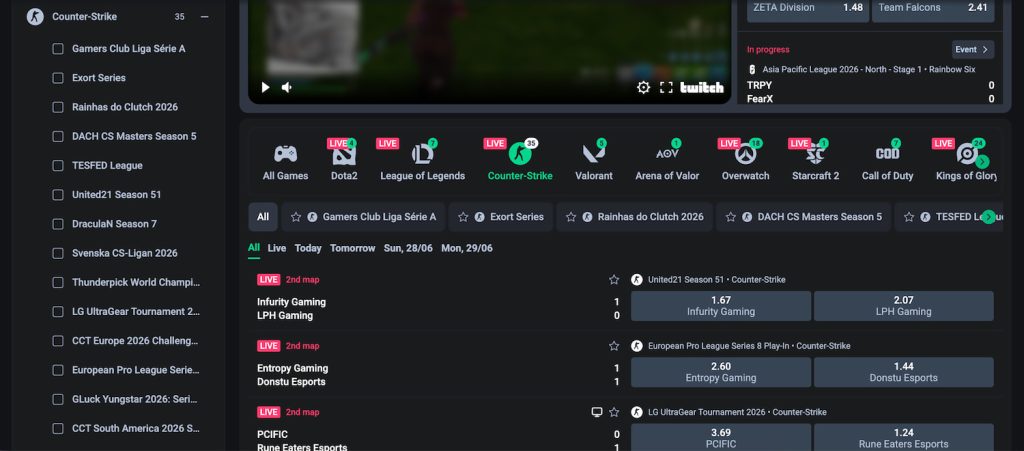
- Esports Coverage and Odds. Evaluate the depth of Counter‑Strike markets, including match winner, map score, player stats and live betting. Compare odds across bookmakers; some, like Vegas Hero, offer notably competitive lines on esports.
- Promotions and Bonuses. Welcome offers can boost your bankroll but always read terms and wagering requirements. ExciteWin and AlfCasino offer crypto‑friendly bonuses, while Golisimo structures bonuses across multiple deposits.
- Payment Options. Look for a variety of deposit and withdrawal methods including credit cards, e-wallets, and cryptocurrencies to suit your needs. Check processing times and fees.
- User Experience. A clean interface, responsive design and mobile compatibility improve betting efficiency. Vegas Hero’s lobby is easy to navigate even with thousands of markets.
- Customer Support and Transparency. Choose sites with accessible customer service and visible ownership information. Avoid unregulated skin‑gambling sites that obscure their operators.
Conclusion
Skin gambling has become one of the most talked‑about issues in the gaming industry. Introduced as cosmetic rewards, Counter‑Strike skins evolved into tradeable assets that power a multibillion‑dollar grey market. Meanwhile, the appetite for Counter‑Strike betting remains strong, and casinos have stepped in to provide safer alternatives.