


Terry Watanabe
The Extraordinary Rise and Cautionary Fall of Terry Watanabe
From Party Supplies to Fortune: Watanabe’s Early Years
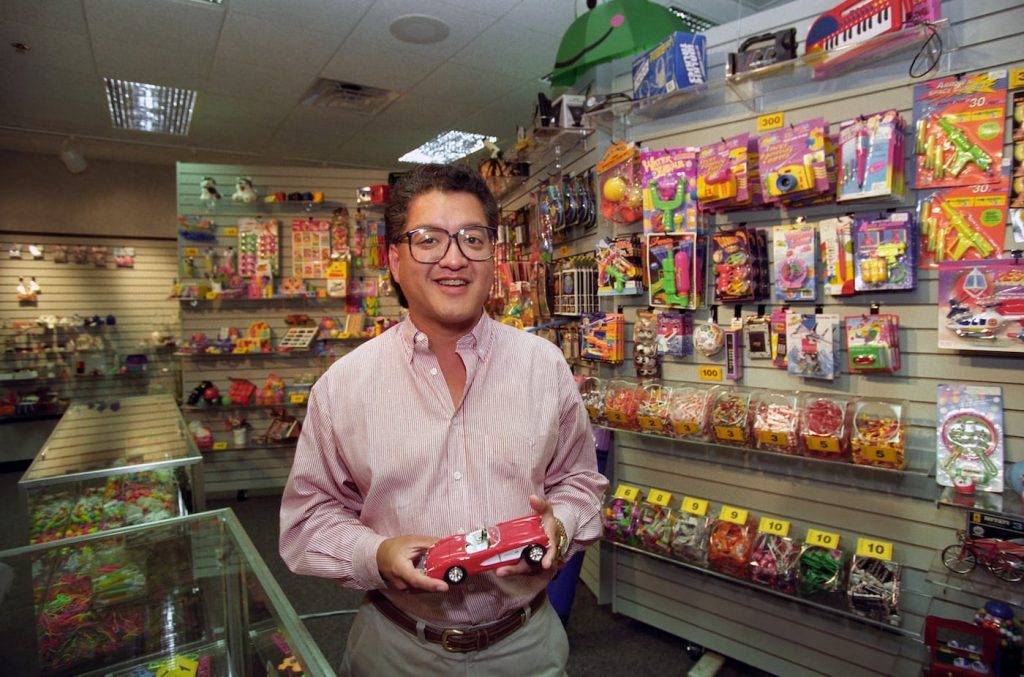
Terrance Watanabe’s story begins far from the glittering lights of Las Vegas. Born on November 14, 1957 in Omaha, Nebraska, he was the eldest son of Harry Watanabe, a Japanese immigrant who founded a trading business in 1932. Originally a small carnival–supply business, it evolved into a leading mail‑order supplier of party decorations, novelty items and school supplies. Harry’s knack for understanding American consumers turned a single gift shop into a multi‑million‑dollar enterprise that generated over $100 million annually by the mid‑1990s. Working alongside his father from a young age, Terry swept floors, sorted inventory and absorbed the day‑to‑day mechanics of the business. When he was 13 years old, his father even constructed a warehouse for him and asked whether he wanted to take over the business.
At 20, Terrance assumed the role of CEO and president. He modernized inventory systems and implemented bulk‑pricing strategies that transformed Oriental Trading into a dominant force in the novelty industry. Under his leadership, revenue rose to $300 million per year. The once modest carnival supplier became a household name, serving schools, churches and retailers across the United States. By 2000, after decades of hands‑on management, Watanabe negotiated the sale of the family business to Brentwood Associates, a Los Angeles private‑equity firm, for an estimated $400 million. The sale left him with hundreds of millions of dollars in personal wealth.
Philanthropy and Searching for Purpose
With newfound freedom and immense wealth, Terry Watanabe plunged into philanthropy. He donated millions to local charities, AIDS research and educational initiatives, investing in his community and forging a reputation as a generous benefactor. He built a sprawling 38 000‑square‑foot mansion in Omaha, complete with nine bedrooms and 18 bathrooms. Yet despite his lavish surroundings, Terry Watanabe felt a void. A life once grounded in spreadsheets and product lines suddenly lacked structure. He later itted the sale caused an existential void. The skills from his business success had no outlet.
Seeking distraction, he frequented Harrah’s Coun Bluffs across the Missouri River. Initially, gambling was a social pastime: he played blackjack and roulette, adhering to basic strategies and treating the hobby as entertainment. With no pressing business obligations, however, his visits became more regular. The casino environment felt like a new office; the adrenaline rush replaced the satisfaction of closing deals, and the line between recreation and compulsion began to blur.
A High‑Roller’s World in Las Vegas
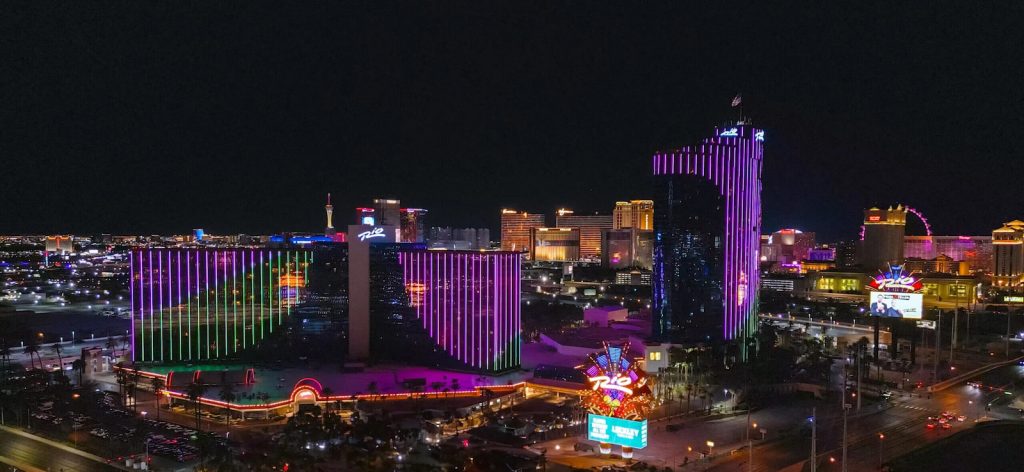
When Watanabe moved from riverboat casinos to the neon canyons of Las Vegas, the scale of his gambling escalated quickly. At Caesars Palace and the Rio, he received perks reserved for the elite: luxurious suites, dedicated staff, and bespoke services. Casino executives identified him as a potential “whale,” offering exclusive high‑limit tables and personal attendants to keep him comfortable. He was eventually awarded a custom loyalty tier higher than “Seven Stars” called the Chairman level, complete with tickets to concerts, $12 500 per month for airfare and a $500 000 line of credit at casino gift shops. Such incentives blurred the true cost of his wagers, creating an illusion that losing millions was just part of an extravagant lifestyle.
Watanabe’s generosity amplified his legend on the Strip. He tipped millions of dollars, handed $25 000 chips to strangers in elevators, bought expensive jewelry for casino staff and once offered $50 000 to reopen a fast‑food restaurant after hours. Dealers recalled stories of him paying off mortgages and giving away $100 000 Tiffany gift cards. Despite the staggering losses he was accruing, his compulsive generosity endeared him to many casino employees and guests.
The Year of Staggering Losses
The turning point came in 2007. During that single year, Watanabe wagered an astronomical $825 million, losing $127 million according to initial estimates. Some reports place his total losses that year closer to $204 million, while court documents suggest he may have lost over $350 million during his Las Vegas spree. To put those numbers in perspective, his betting averaged roughly $2.26 million per day, an amount comparable to the annual budget of small towns.
Casinos lavished him with unprecedented incentives to keep him gambling. At Caesars and the Rio, his photo was reportedly posted in employee break rooms with instructions: “Keep him gambling.” He regularly played three blackjack hands at once with $50 000 limits. His line of credit ballooned to $17 million. One casino reportedly flew in a custom brand of Russian vodka for him and supplied a rotating staff of assistants and security.
However, the perks masked a darker reality. Watanabe struggled with alcohol, painkillers and cocaine. According to allegations later revealed, casino hosts provided him with prescription opioids like Lortabs and even prepared cocaine for him. He often gambled for 24 hours straight, fueled by drugs and alcohol that dulled his ability to make rational decisions. Experts calculated the house edge on his 2007 gambling at 15.4%. Poor choices significantly increased his total losses.
Health Challenges and Personal Struggles
Beyond financial ruin, Terry Watanabe faced severe health issues. In 2017, he announced that he had prostate cancer and launched a GoFundMe campaign to raise $100 000 for an operation. The man who tipped millions eventually sought public help for surgery. This showed his fall from wealth to desperation. According to his own account, he has entered rehabilitation twelve times, including an 18‑month stay at the Betty Ford Center. He also revealed that he was diagnosed with bipolar disorder, a mental health condition that he believes fueled his compulsive gambling and grandiose spending.
Watanabe’s addiction strained family relationships; he lost contact with his wealthy siblings and insisted he has never asked them for money out of pride. Despite his generosity toward strangers, he ended up living on Social Security, his fortune extinguished. The 2025 interview on VladTV was his first time publicly recounting his journey outside a courtroom. In the interview, he candidly discussed taking over his father’s business at age 20, expanding it to $300 million in annual revenue, and selling it for $400 million. He itted gambling was normal in his childhood. Both parents gambled, and his father was a bookie. This familiarity likely normalized his addiction.
Legacy and Media Portrayals
In 2022, Foundation Media Partners acquired the book, film and documentary rights to Watanabe’s story. His life is now being adapted for screen and print, highlighting both the sensational aspects of his losses and the deeper issues of addiction and mental health. Although his name is seldom spoken on the Strip today, his records remain unbroken: no individual has lost more personal wealth in a casino than Terry Watanabe. The upcoming portrayals promise to shed further light on the man behind the headlines, potentially offering a more nuanced understanding of his motivations, vulnerabilities and resilience.
Lessons for Gamblers and Industry Stakeholders
Watanabe’s story offers more than just excess. It provides vital lessons for players, casinos, and regulators alike. For individuals, his experience illustrates how quickly the thrill of betting can morph into addiction, especially when vast resources and generous casino comps create an illusion of invincibility. Even an analytical, disciplined businessman succumbed to the intoxicating mix of money, alcohol and attention. His case underscores the importance of setting strict limits, recognizing early warning signs of compulsive behavior and seeking help promptly.
The profitability of high‑rollers must be weighed against the duty of care owed to patrons. Allowing an intoxicated guest to wager millions may boost short‑term revenue but carries long‑term reputational risks and potential regulatory penalties. After Watanabe’s lawsuit, some properties enhanced staff training to identify and assist gamblers exhibiting problematic behavior, and regulators pushed for clearer protocols on cutting off impaired players.
For regulators and policymakers, the case highlighted the need for robust responsible gaming frameworks. Many jurisdictions now require casinos to share addiction treatment resources. They also fine establishments that enable excessive gambling. While personal responsibility is crucial, providing safeguards can reduce harm to vulnerable individuals.
A Cautionary Tale with a Human Heart
Watanabe’s journey from CEO to high-roller to living on Social Security is a dramatic tale. It remains one of the most powerful warnings in modern gambling history. It shows how wealth, when combined with a lack of purpose and underlying mental health struggles, can fuel destructive behaviors. His compulsive generosity hints at a desire for connection and validation even as he spiraled deeper into addiction. His willingness to share his story in recent interviews reflects a commitment to helping others avoid the same pitfalls.
At CasinoCapo, we believe stories like Watanabe’s are essential reminders of why responsible gambling matters. Behind the glamour of high‑stakes play lies real human vulnerability. Understanding social and psychological factors helps readers make informed choices. They can seek support when needed. Terrance Watanabe’s life offers timeless lessons as the industry evolves. Success vanishes quickly. Resilience requires knowing your limits and prioritizing mental health. Always balance entertainment with responsibility.
The report uses information from reliable sources such as biographies, interviews and industry analyses. This section covers Watanabe’s early life, business success, and philanthropy. It details his growing addiction and casino perks. We examine his massive losses, battles, and health struggles. The report also highlights vital lessons about responsible gaming for everyone.